How much could you save with solar?
Move one slider to your monthly electricity bill and see an indicative annual saving straight away — no forms, no personal details, no obligation.
Takes less than 60 seconds • No obligation
- Free calculator
- No obligation
- Indicative figures only
Start Your Free Solar Assessment
Takes less than 60 seconds • No obligation
Your property
Step 1 of 7
What type of property do you live in?
This helps us judge how much usable roof space you are likely to have.
How much could solar save you?
Move the slider to your average monthly electricity bill and see what your potential annual solar savings could look like.
Average monthly electricity bill
£150/ month
£1,800 / year
Drag the slider to your average monthly electricity bill.
Estimated solar saving
£720
per year — indicative range £540 to £900
Potential saving over 10 years
£7,200
Gross electricity-cost saving before installation cost, in today's prices.
Without solar
£1,800/ year
Annual electricity cost today
With solar
£1,080/ year
Potential remaining cost (£90 / month)
Potential difference
£720/ year
Estimated saving per year
Indicative estimate only. This tool assumes solar could offset around 40% of your annual electricity cost. That is an illustrative assumption, not a promise — it will not apply to every home. It is not a quotation and does not guarantee any saving. Actual results depend on system size, generation, roof suitability, tariffs, household usage, battery storage and export arrangements.
Want a more personalised estimate?
Answer 7 quick questions about your home, roof and electricity usage. We'll use your answers to provide a more tailored indicative assessment and show you what happens next.
Get my personalised solar estimateYour electricity bill could look very different
Today, every unit comes from your supplier. With solar, your electricity comes from a mix of sources.
Today
Electricity supplied by your energy provider
One source. Every unit is bought at the price your tariff sets.
With solar
A mix of sources
- Solar generation during daylight
- Energy from the grid when needed
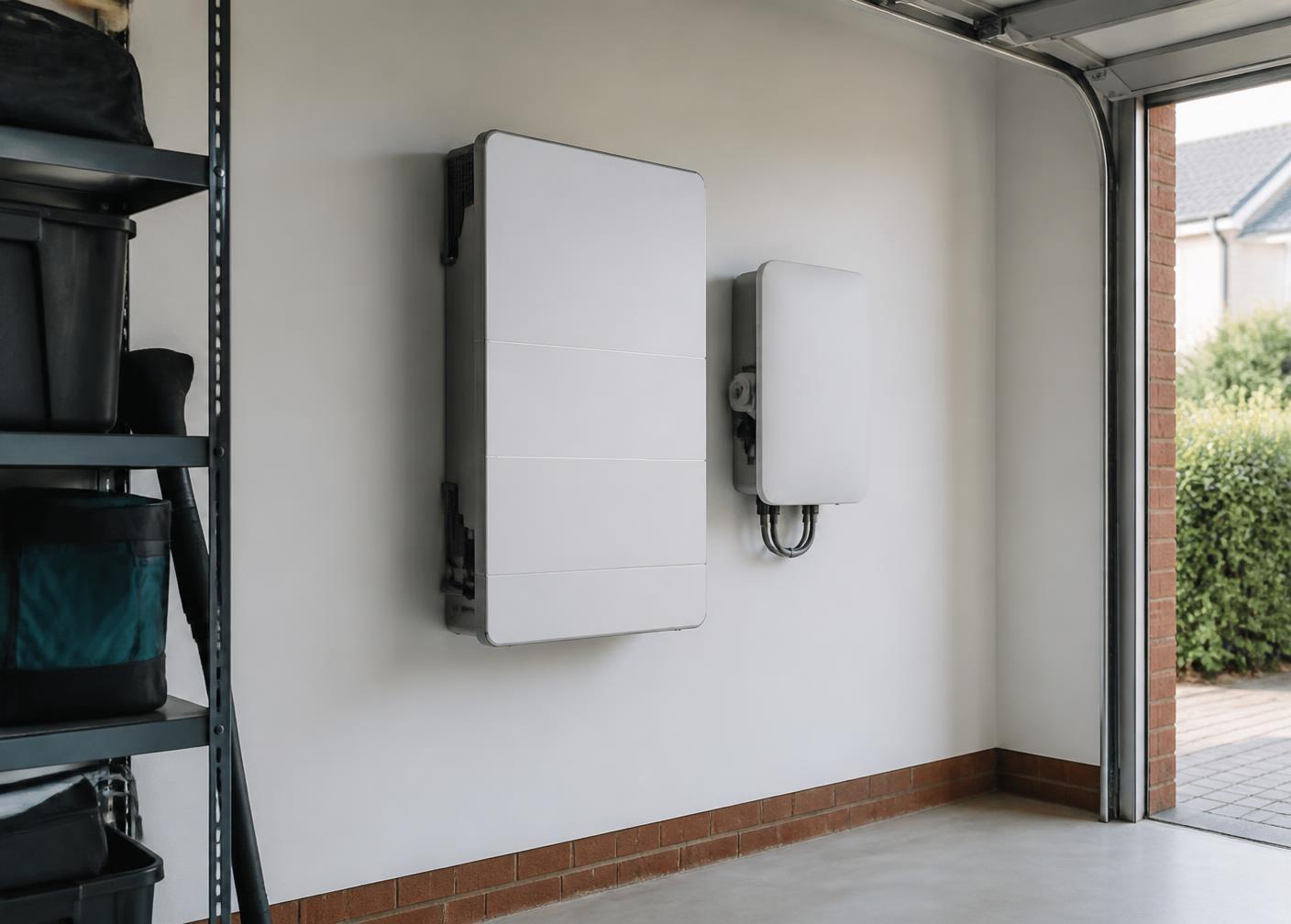
- Optional battery storage
- Potential export income
Indicative estimate only — not a quotation or guaranteed saving.
Solar doesn't have to stop when the sun goes down
With battery storage, surplus generated during the day can be used in the evening instead of being exported.
Daytime
- 1Solar panels generate electricity
- 2Home uses electricity
- 3Battery stores surplus energy
Evening
- 1Battery releases stored energy
- 2Home uses stored solar energy
- 3Grid supplies electricity when required
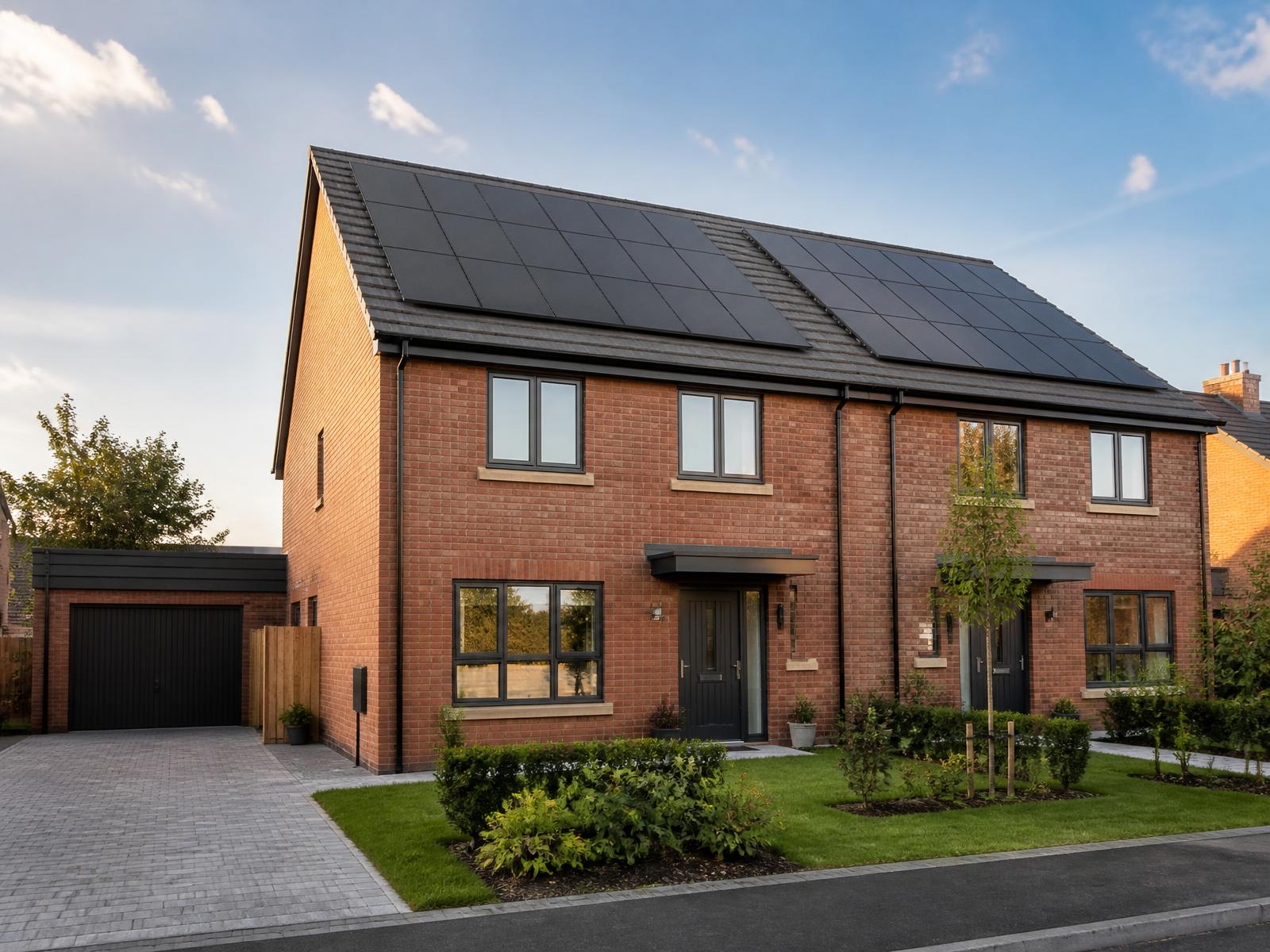
Is solar right for your home?
Three things decide most of it. The personalised assessment asks about each one.
Roof
Does your roof have suitable space and orientation? Direction, pitch, condition and shading all change what is possible.
Energy use
How much electricity does your home use, and how much of it is used during daylight hours?
Property
Is your home suitable for a solar installation? Property type and ownership both matter before anything else.
Takes less than 60 seconds • No obligation
Solar in the UK
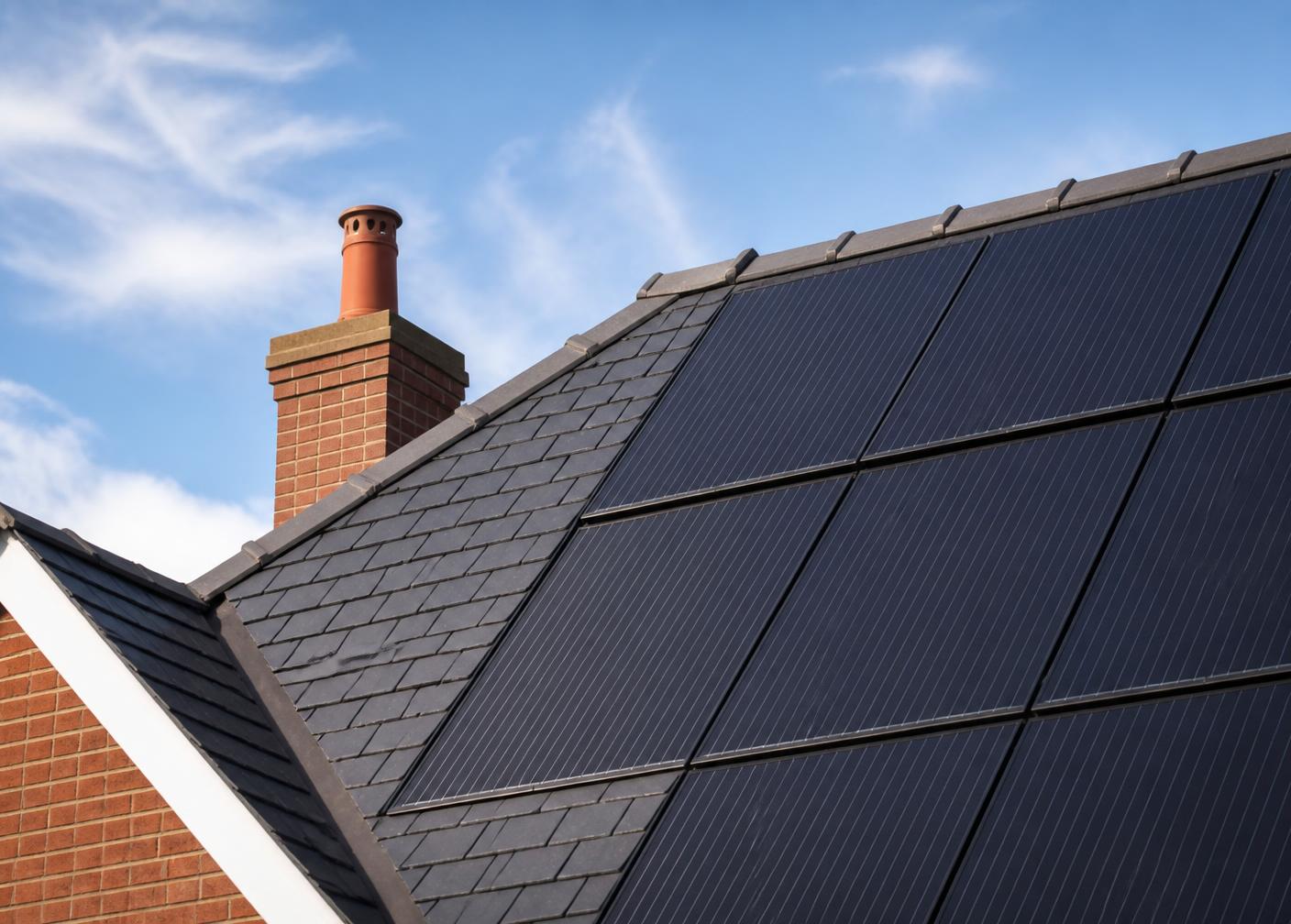
Solar PV generates electricity from daylight, including on cloudy days, although generation varies with weather and season. A UK roof will produce far more in June than in December — the annual total is what matters.
Whether it is worth it for your home depends on a handful of practical factors, and only a survey by a qualified installer can confirm them.
Roof orientation
South-facing roofs typically generate the most over a year. East and west roofs can still work, with output spread across morning and evening.
Roof pitch and size
The angle of the roof and the amount of clear, unobstructed area both affect how many panels can be fitted and how they perform.
Shading and weather
Solar PV generates from daylight, including on cloudy days, but output varies with weather, season and any shading from trees, chimneys or neighbouring buildings.
Electricity consumption
The more of your own generation you use in the home, the more of your bill it can offset. Households differ enormously here.
Battery storage
A battery can store surplus generation instead of exporting it, so it is available later. It adds cost, so it is not right for everyone.
Exporting surplus
Where you generate more than you use, surplus electricity can often be exported, depending on your supplier and export arrangement.
What could a system look like?
Examples only, to give a sense of scale. System size is not determined by property type alone — a qualified installer needs to assess your property.
3 kWp
Suitable for some smaller homes with limited roof space or lower electricity demand.
4 kWp
A common residential system size in the UK.
5–6 kWp
Potentially suitable for homes with higher electricity demand and suitable roof space.
Figures shown are indicative estimates based on the information provided. They are not a quotation and are not a guarantee of future savings or generation. A qualified installer will confirm what is possible for your property.
Example home
Monthly electricity bill
£150
Annual electricity cost
£1,800
Potential indicative solar saving
£720/year
Potential 10-year gross saving
£7,200
Illustrative example only. Actual savings depend on system size, generation, electricity tariffs, household usage, battery storage, export arrangements and other factors.

How it works
Five steps from a slider to a conversation with a registered installer — and you decide whether to go past step two.
Step 1
Tell us about your home
Seven short questions about your property, roof and electricity spend.
Step 2
Get your indicative estimate
An estimated system size and annual saving range, on screen straight away.
Step 3
We match you with a suitable installer
Based on your postcode area and the services the installer covers.
Step 4
Request a quote or book a call
Only if you want to. Choose a phone call, video call or home survey.
Step 5
A registered installer follows up
If you choose to continue, an approved installer picks it up from there.
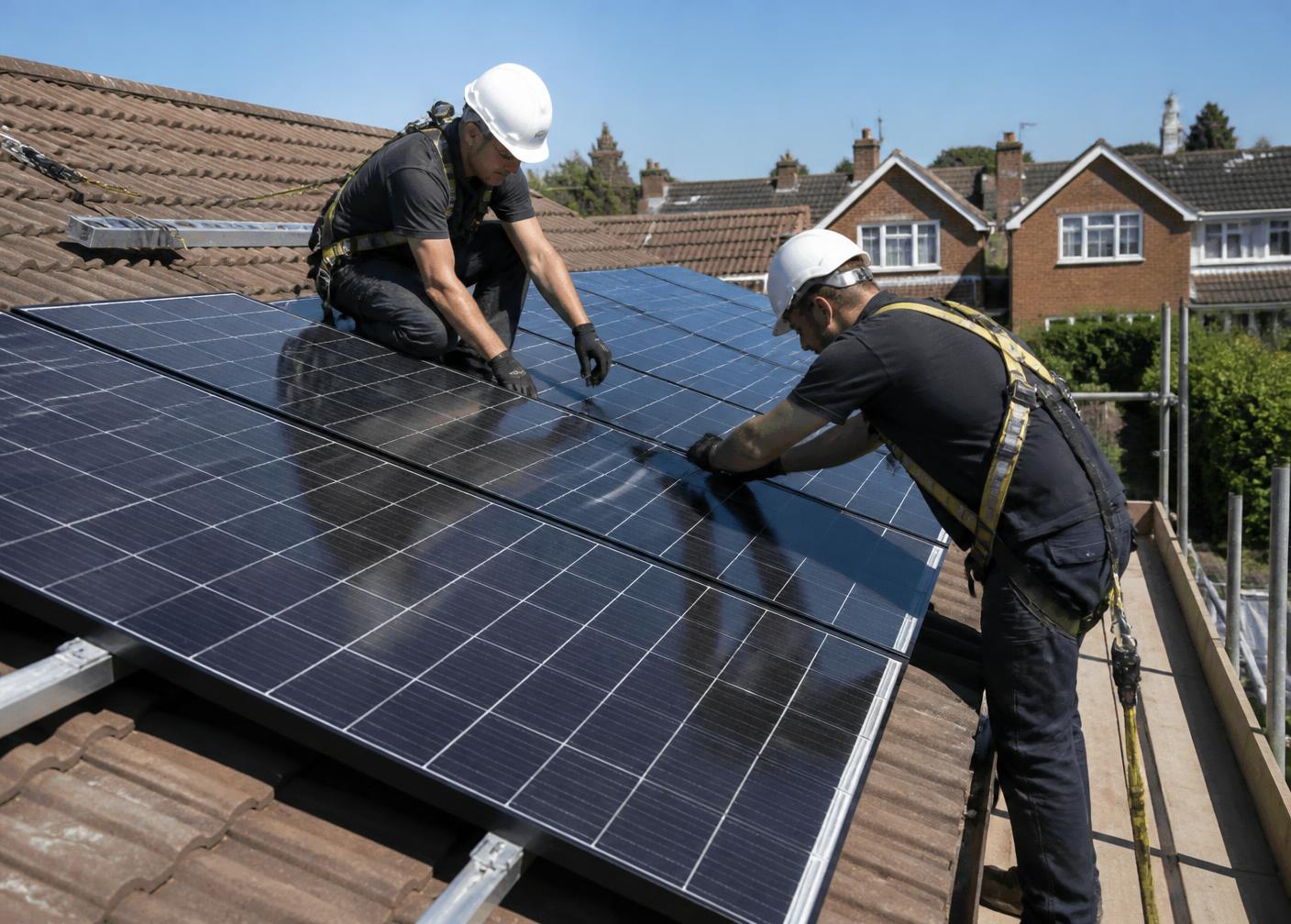
No pressure. Just useful information.
Energy Lead Hub helps UK homeowners understand whether solar may be worth exploring. That is the whole job.
The initial calculator is free
Move the slider, see an indicative figure, and leave without giving us a single personal detail.
The personalised assessment is free
Seven questions, an indicative system size and saving range, and no charge at any point.
There is no obligation to purchase
Nothing is ordered, nothing is booked and no installer is contacted unless you ask us to.
You decide whether to speak with an installer
Your details are only shared with a registered installer when you request a quote or an appointment.
Frequently asked questions
The things UK homeowners ask us before they start.
Check If Your Home QualifiesMore answers in our solar panel FAQs for UK homeowners.
Learn before you commit
Plain-English guides to UK residential solar, written to help you judge quotes and figures for yourself.
Solar panels for UK homes
What a system involves and what drives generation.
Solar panel costs
What sits inside a quote and why prices differ.
Solar panel savings
Where a saving on your bill actually comes from.
Payback and ROI
The assumptions that move the answer most.
Solar battery storage
When storage earns its place, and when it does not.
Comparing installer quotes
Questions worth asking before you sign.
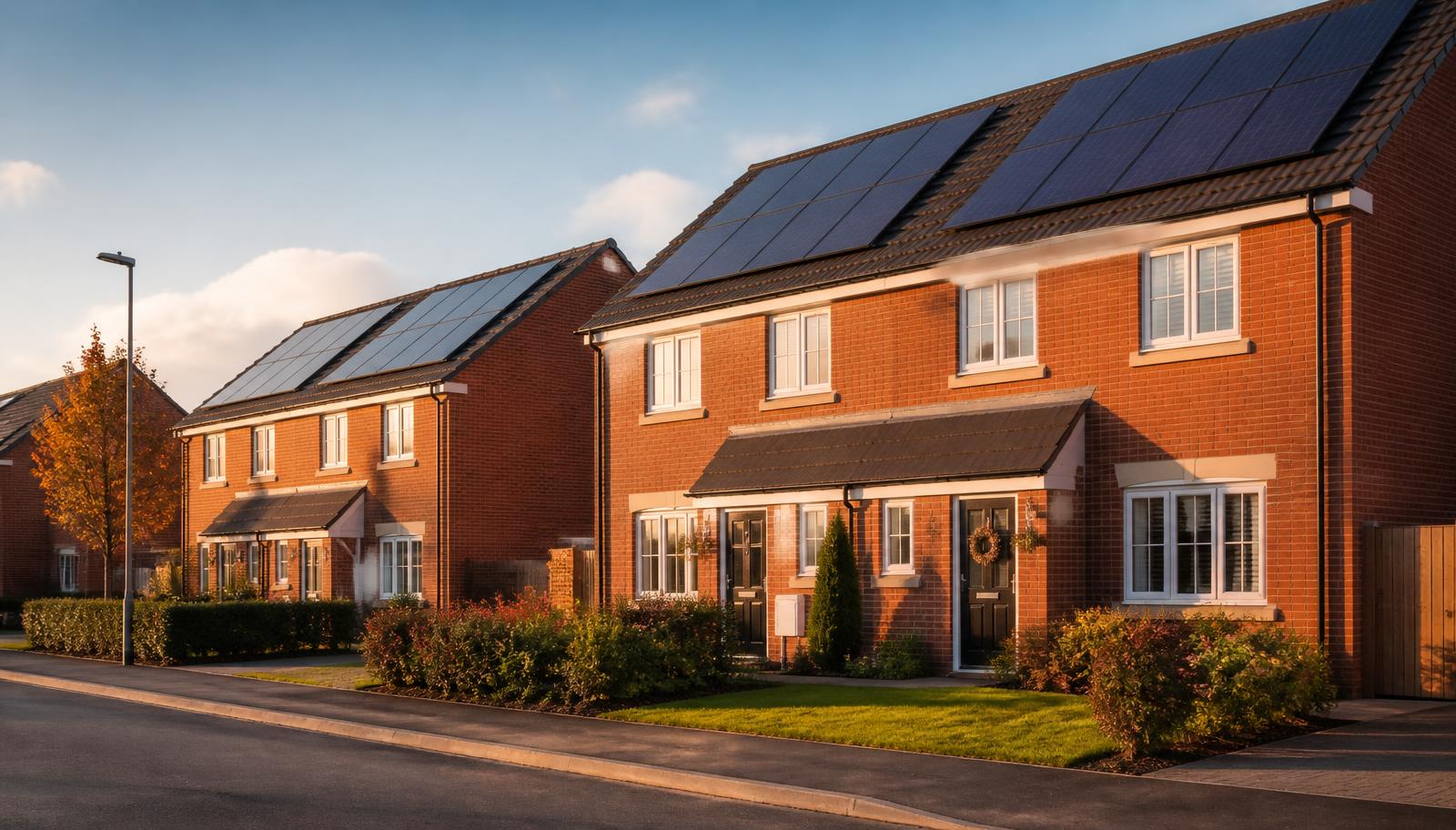
Could solar reduce your electricity costs?
See what your home could potentially save in around 2 minutes.
Takes less than 60 seconds • No obligation